How Does Sodatide Work? The 3-Step Synbiotic Mechanism Explained
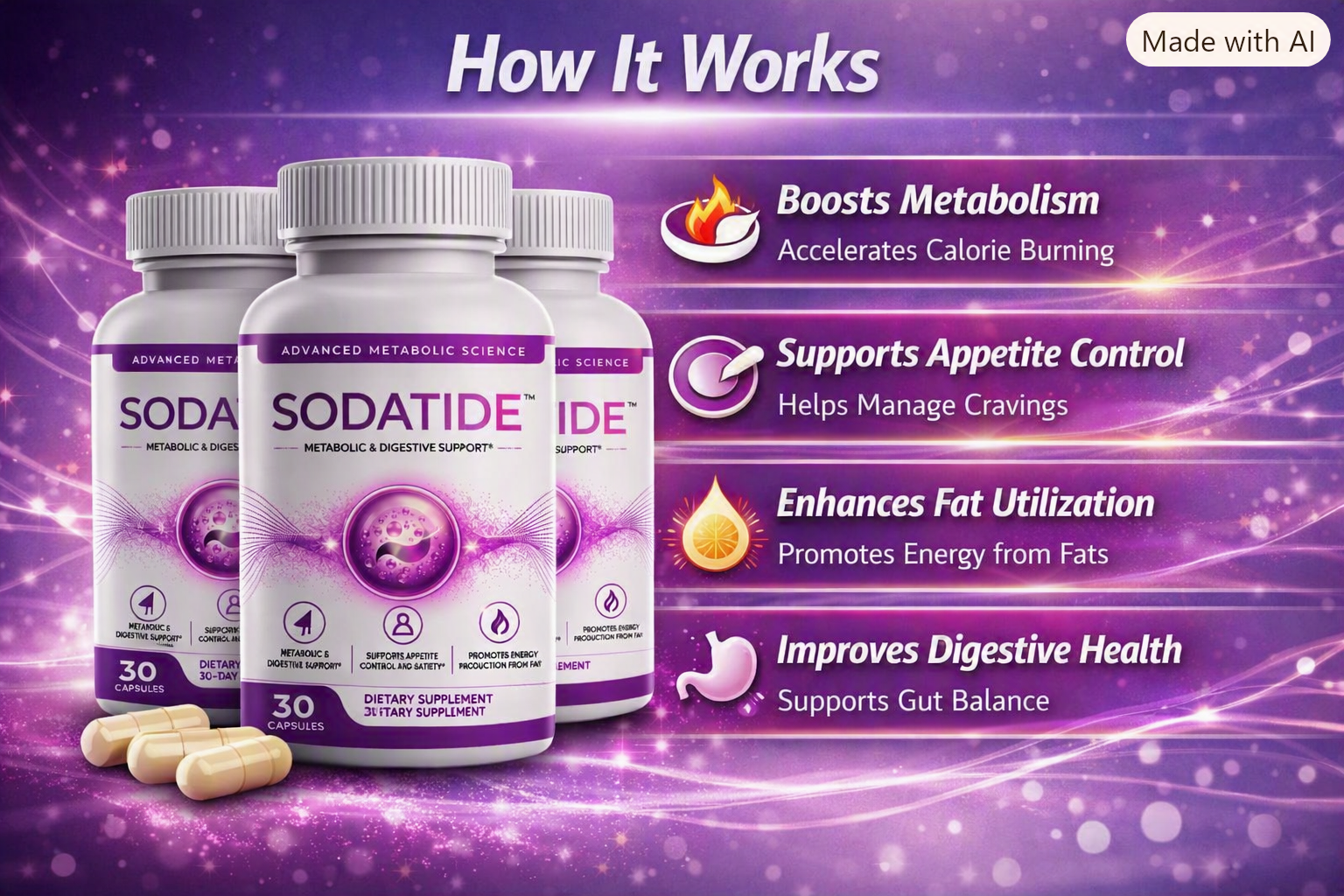
Sodatide's synbiotic formula works through a precise three-step biological sequence that transforms your gut environment and unlocks your body's natural metabolic capacity. Unlike stimulant-based supplements that create temporary effects, Sodatide addresses the root cause — the gut microbiome imbalance (dysbiosis) that drives digestive dysfunction, stubborn weight, and chronic fatigue.
Step 1: Neutralize Harmful Gut Bacteria
The modern gut is under constant assault from ultra-processed diets, chronic stress, environmental toxins, and overuse of antibiotics — all of which decimate beneficial bacteria while allowing harmful organisms to proliferate. When pathobionts like certain Firmicutes strains and LPS-producing gram-negative bacteria dominate your gut, they directly increase fat storage, trigger metabolic endotoxemia, and generate chronic low-grade inflammation.
Sodatide's first action is introducing a high-potency consortium of competitive probiotic strains — Akkermansia muciniphila, Lactobacillus acidophilus NCFM, L. rhamnosus GG, and Bifidobacterium longum & B. breve — that crowd out and displace harmful bacteria through competitive exclusion. This is not an antibiotic approach; it is a natural, microbiome-mediated correction that restores balance without collateral damage to the broader gut ecosystem. Many users notice reduced bloating and less abdominal discomfort within the first 1–2 weeks as this rebalancing begins.
Step 2: Cultivate Good Bacteria & Rebuild the Gut Wall
With harmful populations retreating, Sodatide's prebiotic fiber complex goes to work. Chicory root inulin — a soluble inulin-type fructan — and partially hydrolyzed guar gum (PHGG) selectively feed the probiotic strains delivered in the same capsule, as well as your existing beneficial flora. This targeted nourishment allows the probiotic strains to proliferate and colonize the intestinal lining.
Akkermansia muciniphila plays a critical role here: it stimulates mucin production and tightens the epithelial junctions between gut cells, creating a physical barrier against endotoxins. This strengthened gut wall prevents the "leaky gut" permeability that allows bacterial toxins to enter the bloodstream and drive the systemic inflammation responsible for insulin resistance, fat accumulation, and metabolic dysfunction.
Step 3: Activate Fat Burning & Restore Metabolic Balance
With a balanced microbiome and a healed gut barrier, the third phase of Sodatide's action kicks in: metabolic restoration. Beneficial gut bacteria produce short-chain fatty acids (SCFAs) — including butyrate, propionate, and acetate — as byproducts of prebiotic fermentation. These SCFAs are powerful metabolic mediators:
- Improve insulin sensitivity — helping cells respond properly to blood sugar signals
- Enhance mitochondrial function — improving cellular energy production in muscle and fat cells
- Stimulate satiety hormones GLP-1 and PYY — increasing feelings of fullness and reducing between-meal hunger
- Promote lipolysis — the breakdown of stored fat for energy
- Activate AMPK — the "metabolic master switch" that promotes fat oxidation and inhibits new fat storage
Additionally, rebalancing the Bacteroidetes-to-Firmicutes ratio shifts the microbiome's energy-harvesting efficiency. Certain dysbiotic strains extract 150–200 more calories from the same meal compared to a balanced gut. By restoring this ratio, Sodatide effectively reduces the net caloric yield of the foods you eat — creating a natural caloric deficit without dietary restriction.
The Synbiotic Advantage: Why Both Halves Matter
Most probiotic supplements deliver live bacteria alone — and the harsh conditions of stomach acid and bile kill a significant percentage before they reach the colon. Sodatide's prebiotic fibers serve a dual purpose: they help buffer and protect the probiotics during transit through the upper GI tract, and upon arrival in the colon, they immediately provide the selective fuel the probiotic strains need to colonize and proliferate. Research consistently demonstrates that synbiotic formulas outperform either probiotics or prebiotics used in isolation.

Dr. Sarah Mitchell, ND
Dr. Mitchell reviews every Sodatide product page for label accuracy, sourcing claims, and FTC compliance before publication.